set 20
STREET LIFE – Gokarna, a holy city of Hinduism…


FROM FEBRUARY 21TH TO 28TH 2008

SEE THE FULL PROGRAMME (Adobe Acrobat format)

The workshop main purpose is the realization and development of an entire reportage about Gokarna, holy city in Karnataka country (India).
This job will take place in Gorkana the four days, than in a manor in Candolim, Goa country: as it is quiet and peaceful it is the perfect place to focus on and to work, for it is close to the sea and to a palm wood, as well as it has all what is needed for this particular activity.
Gokarna is 4 hours far from Candolim by car.
This workshop is just for those who already have experience in this field.

Gokarna city is small enough to be visited by walking; it is a perfect place for this experiment, as it is full of input and stories. The workshop takes place in that part of the year in its high splendor: the city is about to celebrate the Shivaratri, and thousands of pilgrims gather in the city and in all the temples.
This workshop spirit is the so-called “street life”, which means try to tell a story of whatever happens in the street with a picture. There will be needed to walk alone, being focused and ready, with your camera always at hand.
By looking the faces of people, intense and spiritual, Gokarna will be told by everyone’s expression so that, in the end, there will be gathered seven different stories, seven different ways to tell about this unique place. That’s why it is important for each one to compare their own work with the rest of the group…

set 1
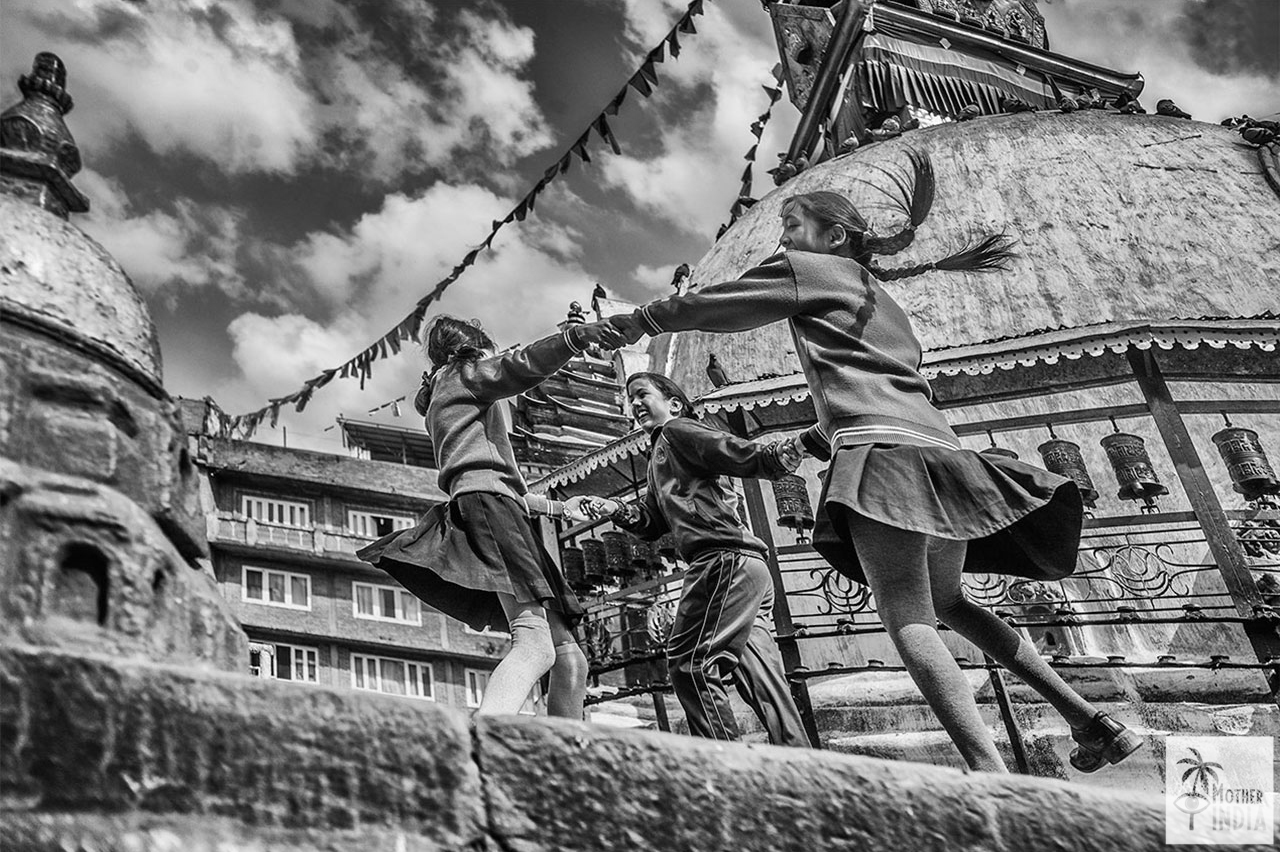
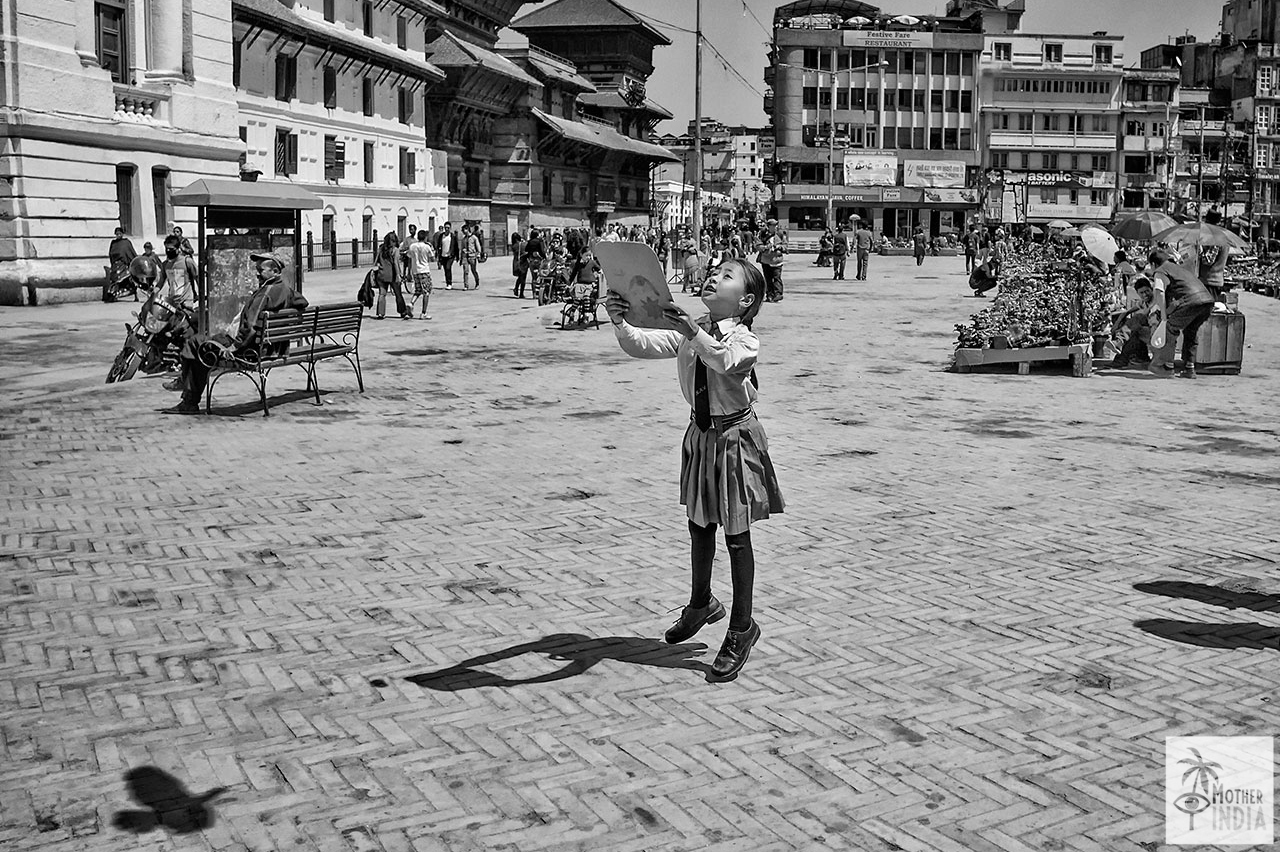
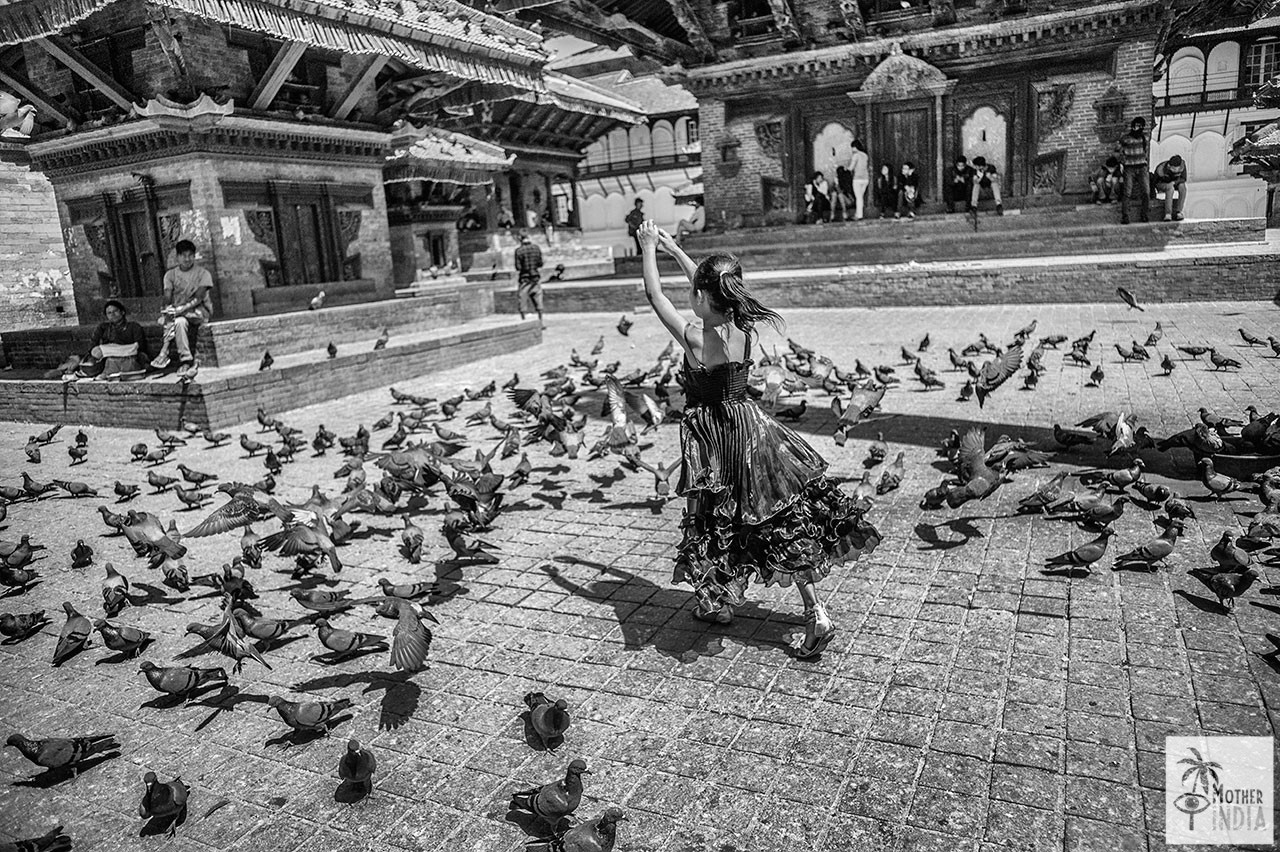
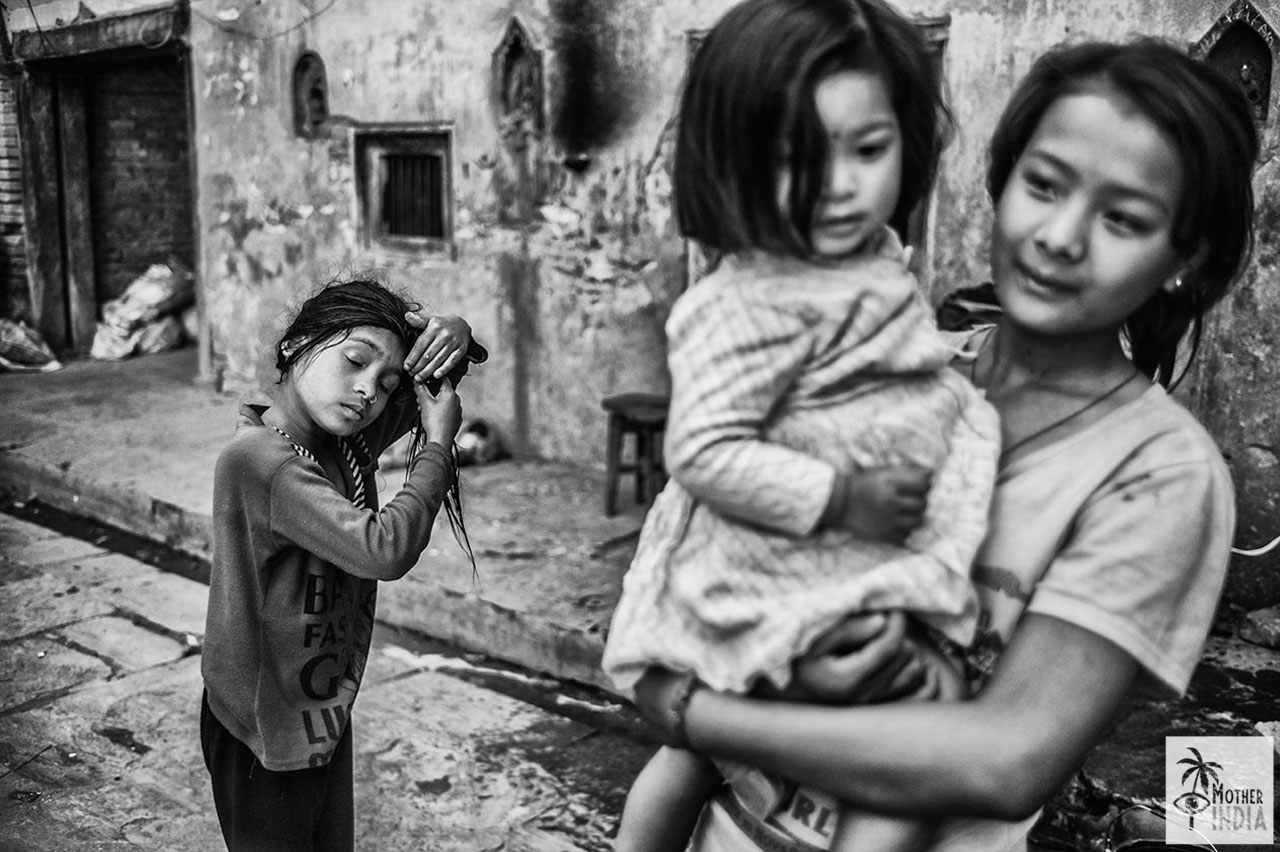
MOTHER INDIA – Stories of women…


FEBRUARY 8 TO 18, 2009

SEE THE FULL PROGRAMME (Adobe Acrobat format)

Hindu, Muslim, Catholic women, migrated from Karnataca and untouchables of the villages, gentle and mysterious, like goddesses, they fill Goa’s land with colour and poetry. In this strip of India it is the woman who is the great protagonist.
Women are those who get water for their houses from deep wells and carry it on their heads, women are those who organize the fish market, they are little girl mothers who grow up with their children.
They walk slowly and in a graceful way on the long paths though the rice-fields, they wear jingling ankle-bangles, coloured bracelets on their thin wrists and flowers in their hair.
At sunset they silently stop for prayers at the temple. At the same time Catholic women from villages near the sea, gathered in a circle, recite the rosary.
Modernity and tradition melt together, different cultures meet: mini-skirts and saris, high-heeled shoes and bare-feet painted with henna.
A great innate spirituality, deeply-rooted in everyone’s memory, makes Goa the Mother Earth who welcomes everybody and everything…

lug 2
STREET LIFE – Palermo in the heart…


SEPTEMBER 4 TO 7, 2008

SEE THE FULL PROGRAMME (Adobe Acrobat format)

Palermo is crazy, contradictory, melancholy, embittered. Crumbling palaces, bombed during World War II, still stand in the old city centre as if time had frozen the city. Statuesque like women dressed in black sitting on the street doors. Out of time like traditional trades you can no longer find anywhere else, men playing cards, pedlars’ carts. Crazy in the alleys of the Borgo you can meet boys strolling with the horses of clandestine races, Mondello’s beach is a fun fair, boys play with water pistols around Padre Pio’s statue.
Markets in Ballarò and Vucciria burst with colours, smells and tastes of days gone by.
Food is everywhere, blooming and lustful, always plenty. Faces are ancient, passionate and lazy like the Arabs’. It’s like they always keep something hidden, some mystery beyond the curtain in place of a door to keep rooms fresh.
Palermo is black. Many streets are named after someone killed by the Mafia or are the place of a slaughter.
Things sacred and profane, religion and superstition mix together. Saint Rosalia is everywhere, in homes on little lighted altars by the TV set or carried in street processions with music, fireworks and coriandoli.
The Spasimo is a grand gothic cathedral left without a roof; you discover it in a narrow street in a courtyard you’d never expect. Likewise treasures and luxuriant gardens of noble palaces hide behind ruined facades.
Palermo is mysterious, veiled it won’t let itself be discovered all at once but slowly so it always amazes you.